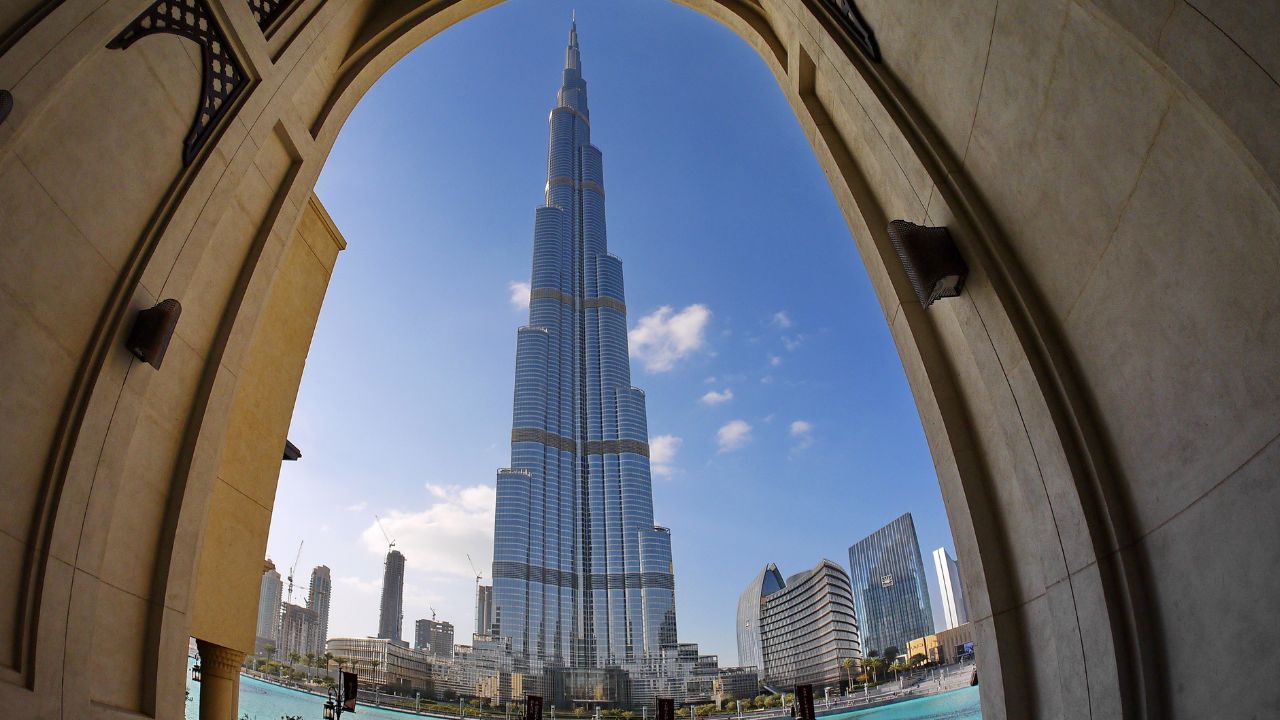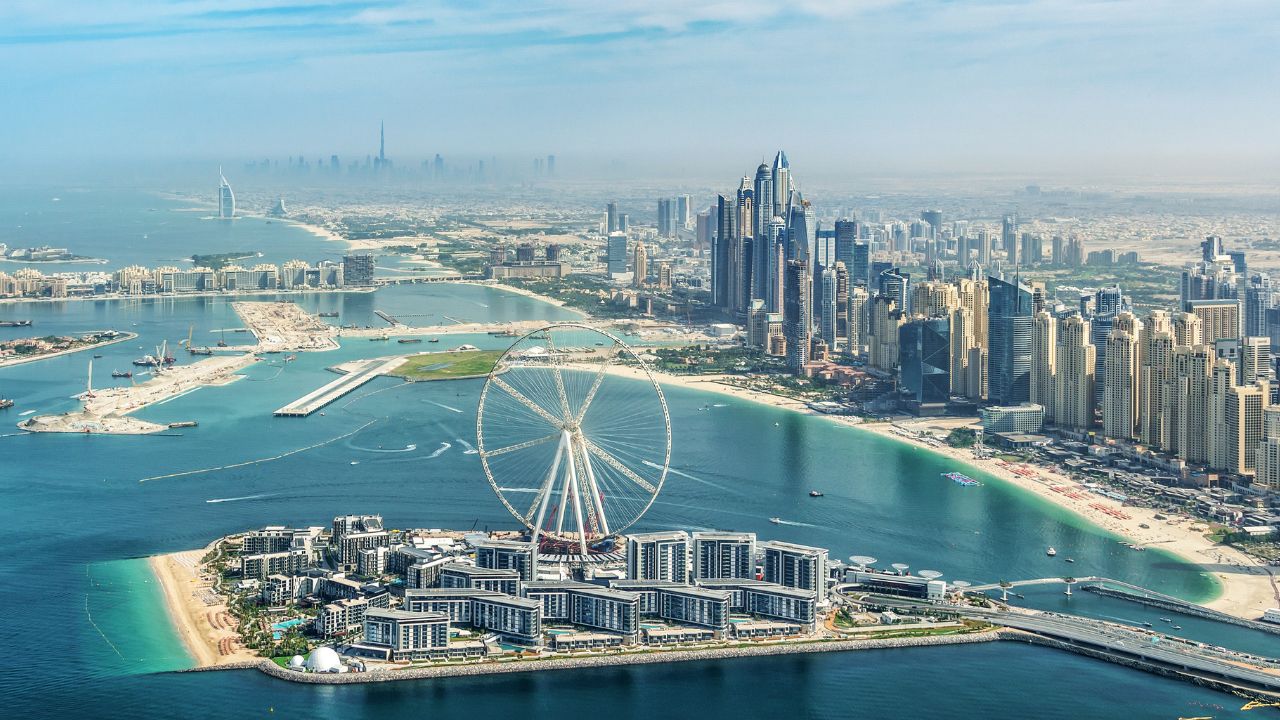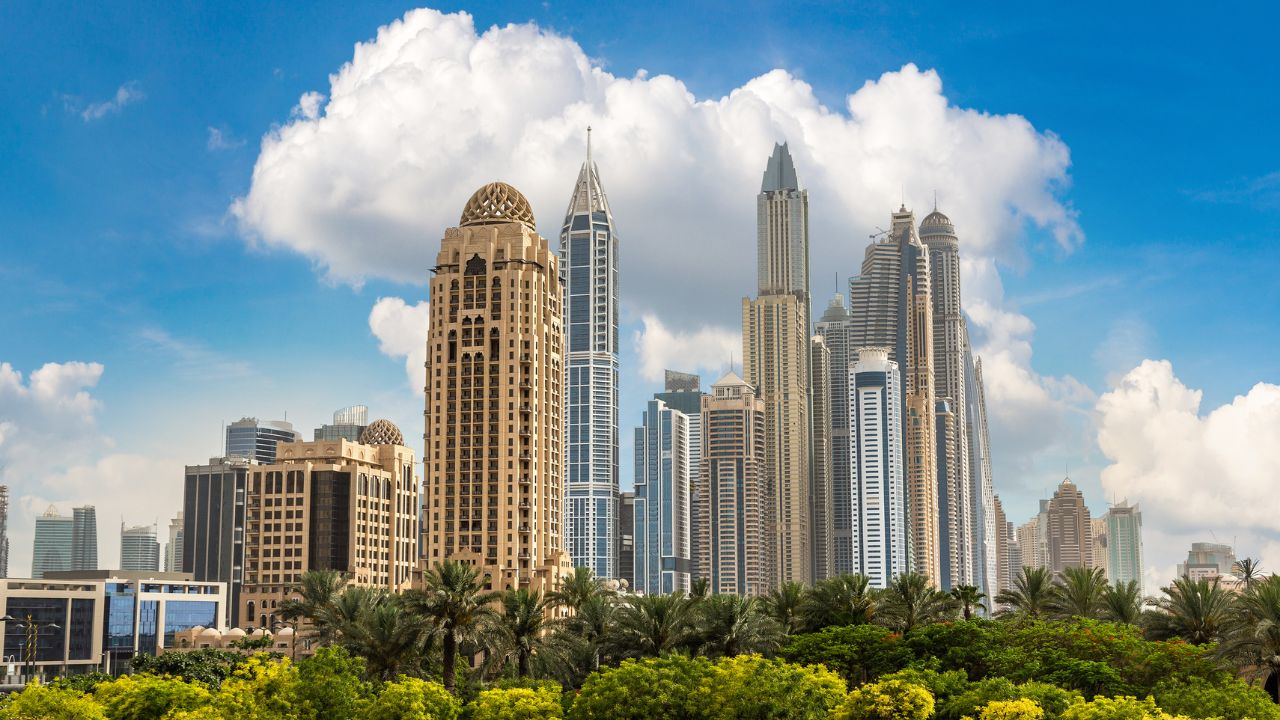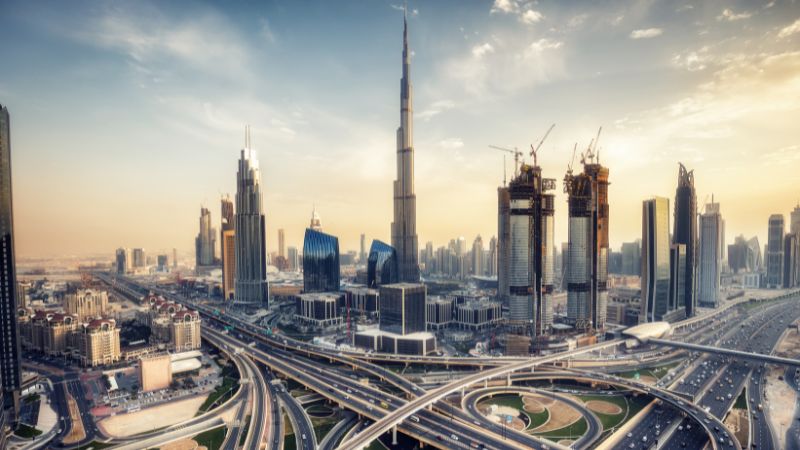
The UAE Transport Transformation is one of the most ambitious infrastructure programs in the nation’s history. With a Dh170 billion ($46 billion) investment, the UAE aims to revolutionize mobility through sustainable, efficient, and technology-driven transport systems by 2030.
This visionary program focuses on enhancing road capacity, reducing congestion, and integrating smart transport technologies. Consequently, travel will become safer, faster, and more reliable. Moreover, these developments reflect the UAE’s determination to build world-class cities that are future-ready, eco-conscious, and highly connected.
Why the UAE Needs a Transport Transformation
Rapid population growth and urbanization have placed immense pressure on UAE cities. Vehicle numbers are rising by over 8% annually, leading to traffic congestion, longer commutes, and higher carbon emissions.
To address these challenges, the UAE government launched a comprehensive mobility plan. This initiative aims to connect all seven emirates with efficient roads, rail networks, and smart transit systems. Additionally, it aligns with UAE Vision 2030, which prioritizes sustainability, economic diversification, and improved quality of urban life.
By implementing this strategy, the UAE intends to reduce travel times, boost productivity, and promote greener transport solutions for residents, visitors, and businesses.
Expanding National Highways and Roads
A core component of the plan is expanding the national highway network. For example, the Fourth National Highway, spanning 120 km with 12 lanes, will accommodate 360,000 vehicles daily. This expansion will relieve pressure on major routes, such as Emirates Road and Sheikh Mohammed bin Zayed Road.
Other road upgrades include widening lanes, constructing smart interchanges, and implementing AI-driven traffic monitoring. Together, these measures improve traffic flow, reduce accidents, and create more reliable travel experiences for commuters.
Etihad Rail: Connecting the Emirates
Etihad Rail is another transformative project under the UAE Transport Transformation. This national railway connects all seven emirates and integrates freight and passenger services.
Currently, the freight system is operational, easing heavy-truck congestion on highways. Soon, passenger services will launch, offering faster, more comfortable travel between cities. Moreover, Etihad Rail strengthens regional trade connectivity, linking the UAE to the broader Gulf Cooperation Council (GCC) network.
This development supports logistics, commerce, and urban mobility while contributing to sustainable transport goals.
Smart Mobility and Digital Transformation
Beyond physical infrastructure, the UAE is embracing smart mobility solutions. Digital technologies play a critical role in optimizing traffic flow, improving commuter experience, and reducing operational inefficiencies.
AI-Driven Traffic Management
Dubai’s Roads and Transport Authority (RTA) leads innovation in this field. In 2024 alone, the RTA recorded AED 4.4 billion in digital revenues across more than 679 million online transactions. AI-powered traffic lights, real-time updates, and predictive maintenance ensure that commuters can travel efficiently while avoiding delays.
Autonomous and Electric Vehicles
The UAE is also testing self-driving trucks and exploring autonomous taxis and buses. These initiatives reduce delivery times, improve safety, and lower environmental impact. Meanwhile, electric vehicle adoption is encouraged through incentives and expanded charging networks.
Together, these advancements demonstrate the UAE’s commitment to technology-driven and eco-friendly mobility.
Sustainability at the Heart of UAE Transport Transformation
The UAE Transport Transformation aligns closely with the Net-Zero 2050 strategy. Reducing emissions and improving energy efficiency are key priorities across all transport projects.
Electric buses, solar-powered infrastructure, and green building materials are being implemented to ensure environmental sustainability. Additionally, shifting freight from road to rail significantly reduces fuel consumption and greenhouse gas emissions.
By integrating green technologies and sustainable planning, the UAE is setting a global standard for environmentally responsible urban mobility.
Economic and Social Benefits
The transport transformation delivers multiple benefits for citizens, businesses, and investors.
Boosting Economic Productivity
Efficient roads and rail systems reduce commute times, enhancing workforce productivity. Logistics, tourism, and trade also benefit from faster, more reliable connections. In addition, the upgraded infrastructure attracts foreign investment and supports the UAE’s diversification away from oil dependency.
Improving Quality of Life
For residents, shorter commutes and safer roads improve daily life. Expanded public transit options make mobility more accessible, affordable, and convenient. These improvements foster inclusivity and ensure all citizens and residents can participate fully in urban life.
Opportunities for Businesses and Investors
The UAE Transport Transformation creates lucrative opportunities across sectors.
Real Estate Development
For example, at Heaven Bespoke Properties, accessibility and location are central to property value. As new highways and railways are completed, demand for well-connected properties is expected to rise, benefiting both investors and residents.
Technology and Innovation
Tech companies providing AI, IoT, and green mobility solutions will find a thriving market. The UAE’s modernization initiatives create demand for smart-city technologies, autonomous systems, and digital transport platforms.
A Vision for the Future
The UAE Transport Transformation is more than infrastructure; it is a forward-looking national vision. By integrating roads, rail, and digital systems, the UAE is preparing mobility networks for a modern, eco-conscious population.
As projects continue, the country is set to become a global model for efficient, sustainable, and future-ready urban transport, inspiring other nations to follow suit.
FAQs
Q1. What is the UAE Transport Transformation?
It is a $46 billion initiative to modernize roads, railways, and public transit systems across the UAE by 2030.
Q2. What are its main goals?
The program aims to reduce congestion, improve safety, promote sustainability, and enhance overall mobility.
Q3. How will commuters benefit?
Residents will enjoy shorter travel times, reliable public transport, and safer road systems.
Q4. How does this support sustainability?
It encourages electric vehicles, public transport usage, and freight movement via rail, contributing to Net Zero 2050.
Q5. What opportunities exist for businesses?
Improved infrastructure boosts logistics, property value, and technology-driven solutions like AI and IoT in transport.
Step Into a World of Luxury and Elegance — Explore Premium Real Estate with Heaven Bespoke Properties on Instagram!
UAE transport transformation | UAE road infrastructure investment | UAE national highway expansion 2030 | UAE public transport upgrade | Abu Dhabi metro expansion | Dubai smart mobility strategy | UAE rail freight network development | UAE mass transit growth | Emirates Road widening project UAE | UAE transport digitalisation 2025 | UAE sustainable transport strategy | UAE mobility infrastructure projects | UAE self-driving logistics trucks | UAE freight rail shift roads to rail | UAE smart transport technologies | UAE highway capacity expansion | UAE urban mobility efficiency | UAE traffic congestion reduction plan | UAE transport investment Dh170 billion | UAE commuter travel time reduction | UAE transport sector growth opportunities | UAE logistics market outlook transport | UAE rail passenger services launch | UAE green transport initiative | UAE mobility transformation agenda | UAE transport infrastructure business opportunities | UAE vehicle growth challenge transport | UAE transport infrastructure for smart cities | UAE public transit innovation UAE | UAE transport digital future